From paddy fields to your plate — discover the journey of rice like never before.
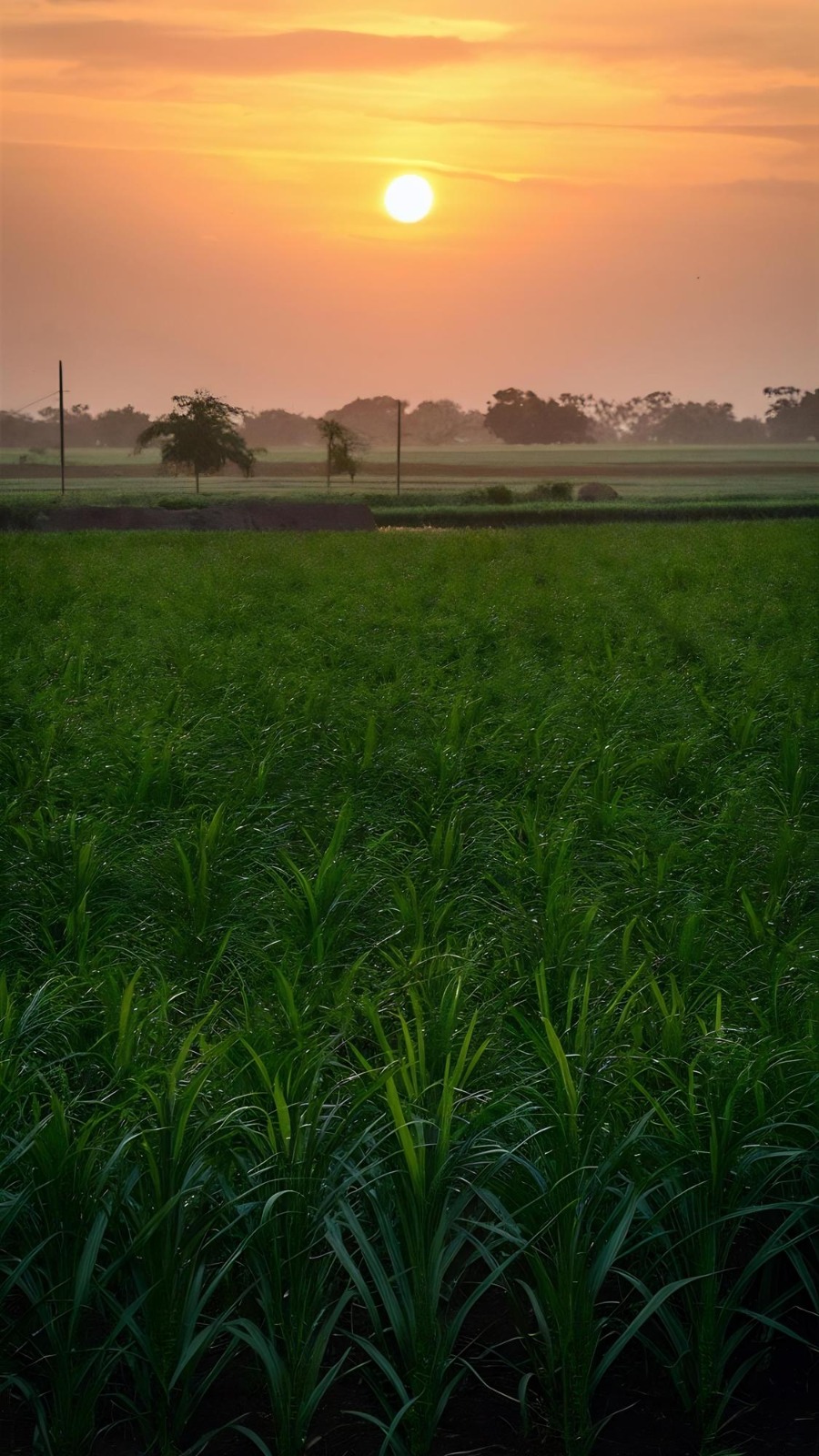
Paddy cultivation begins in fertile lands, nurtured by traditional wisdom and modern care.
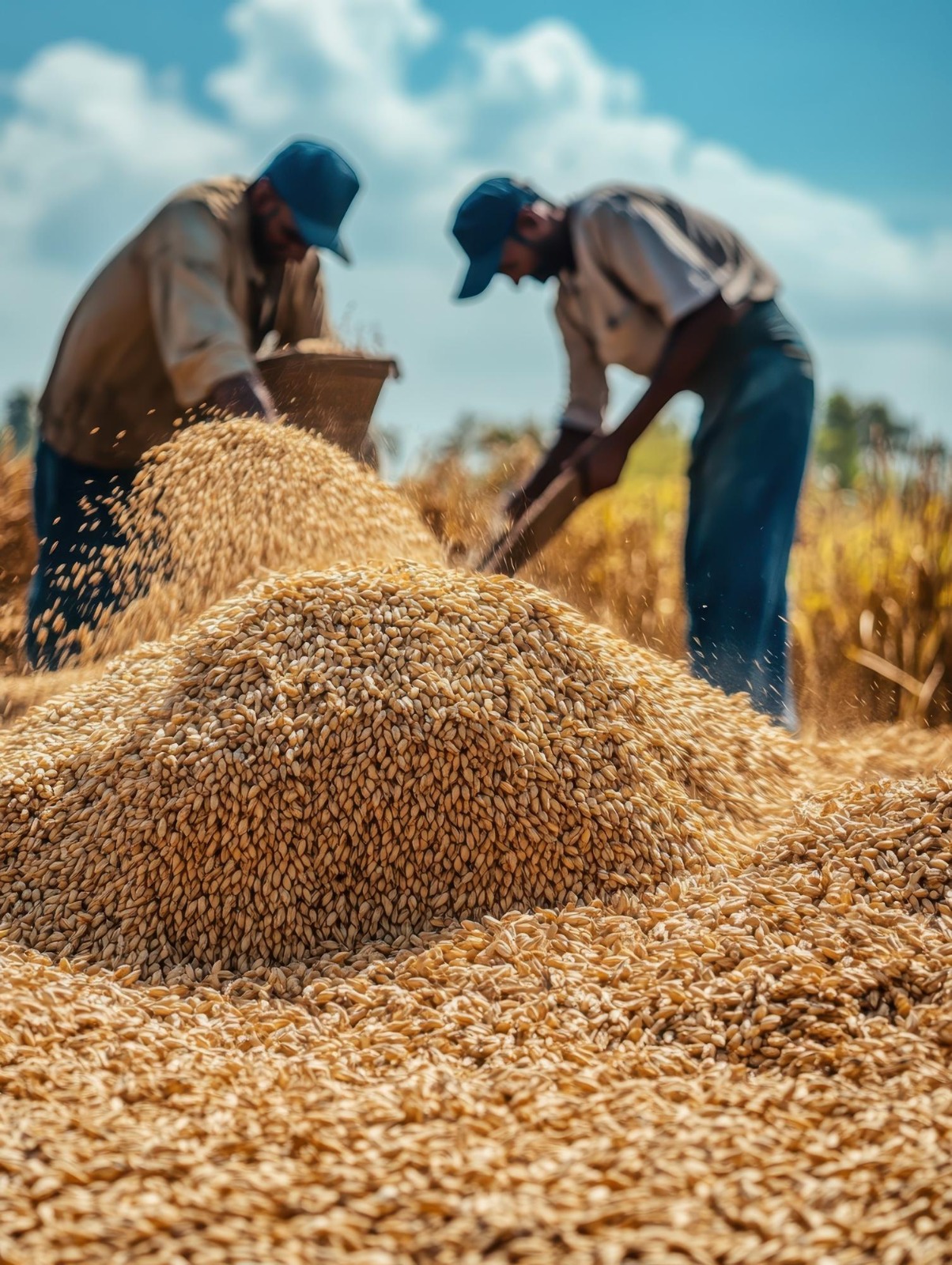
Farmers carefully harvest matured crops at the peak time to ensure the perfect grain quality.
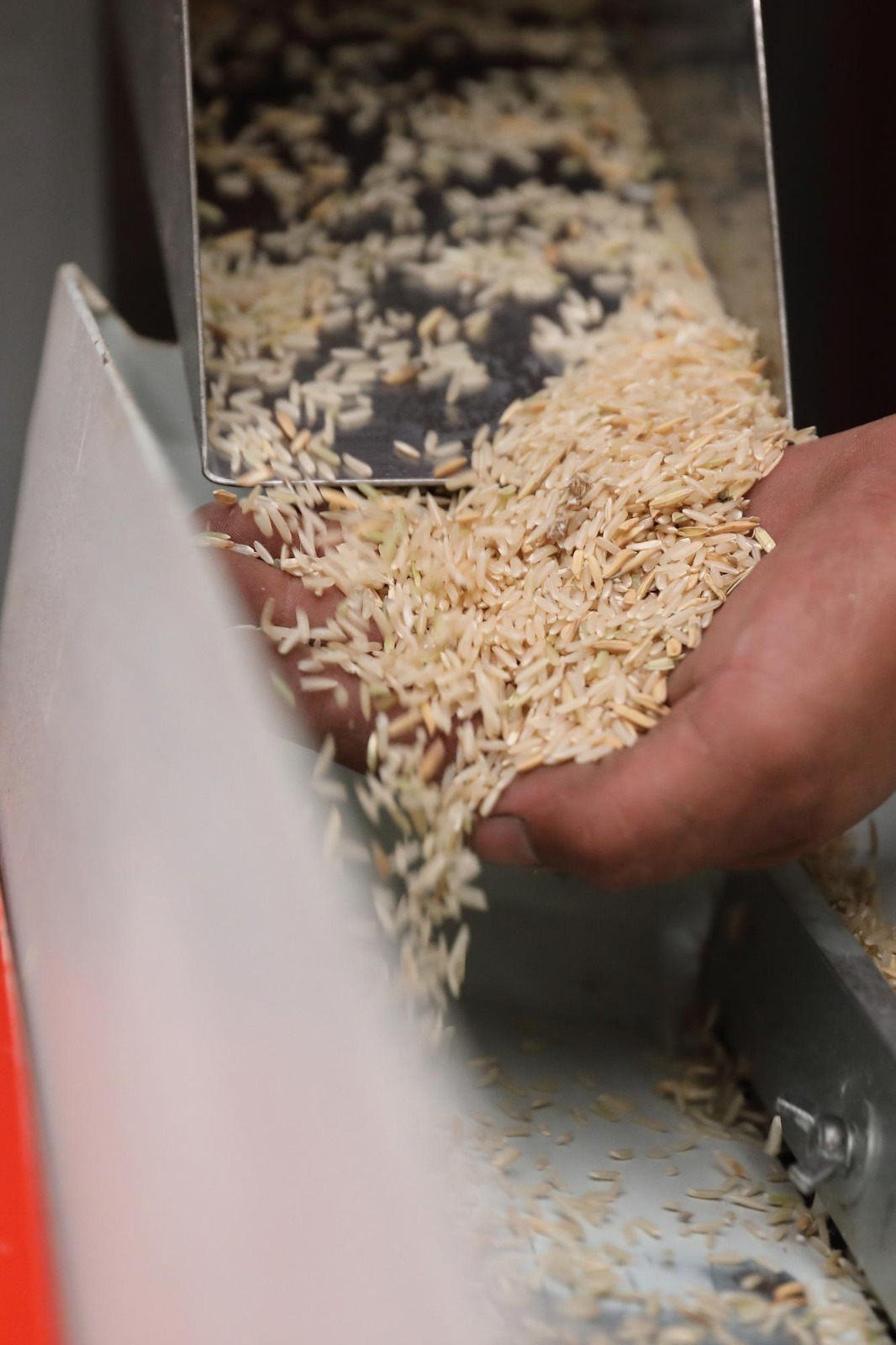
Advanced automated processing refines the raw paddy into long, pristine premium rice.
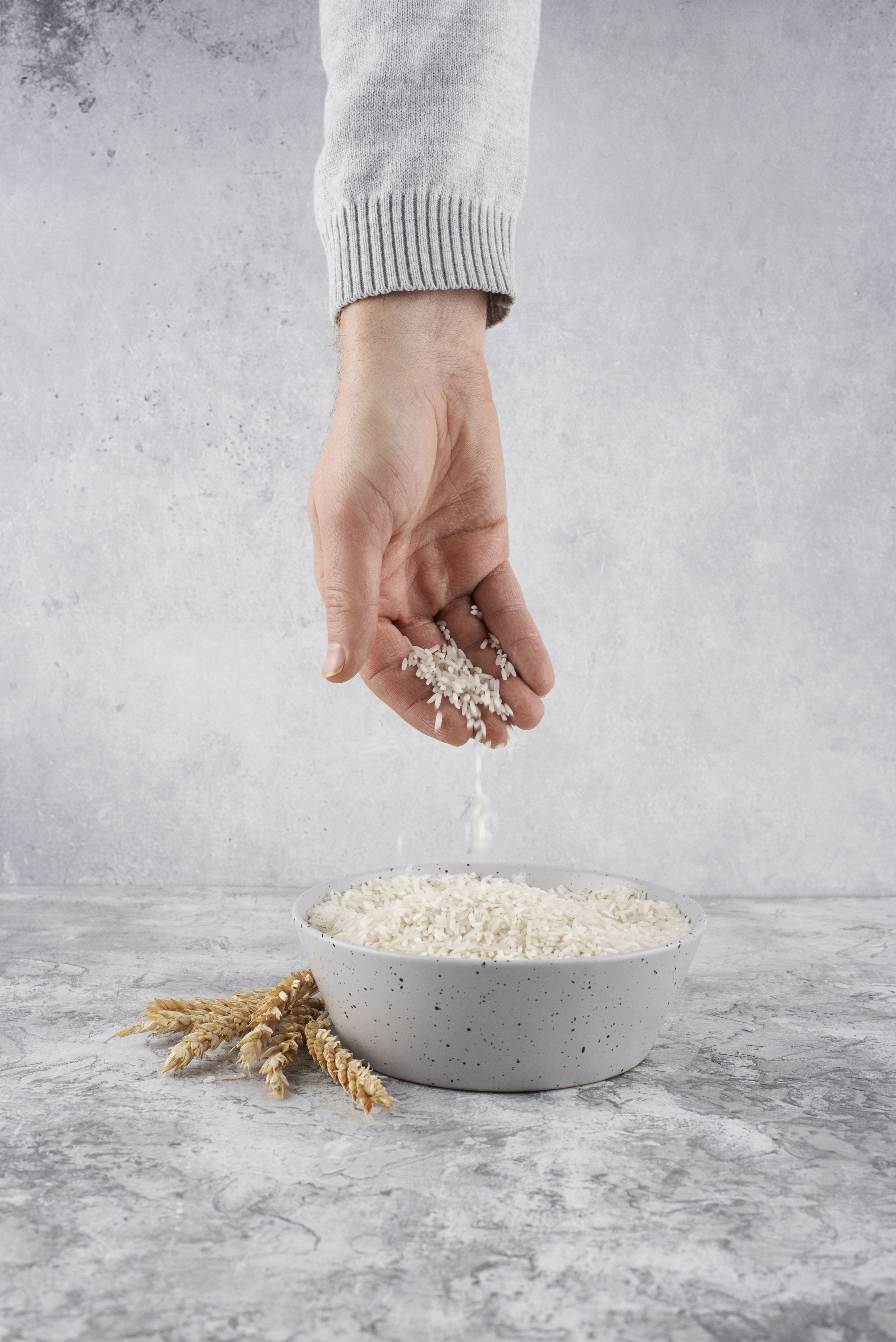
Every grain is inspected with strict quality standards to ensure purity, size, and consistency.
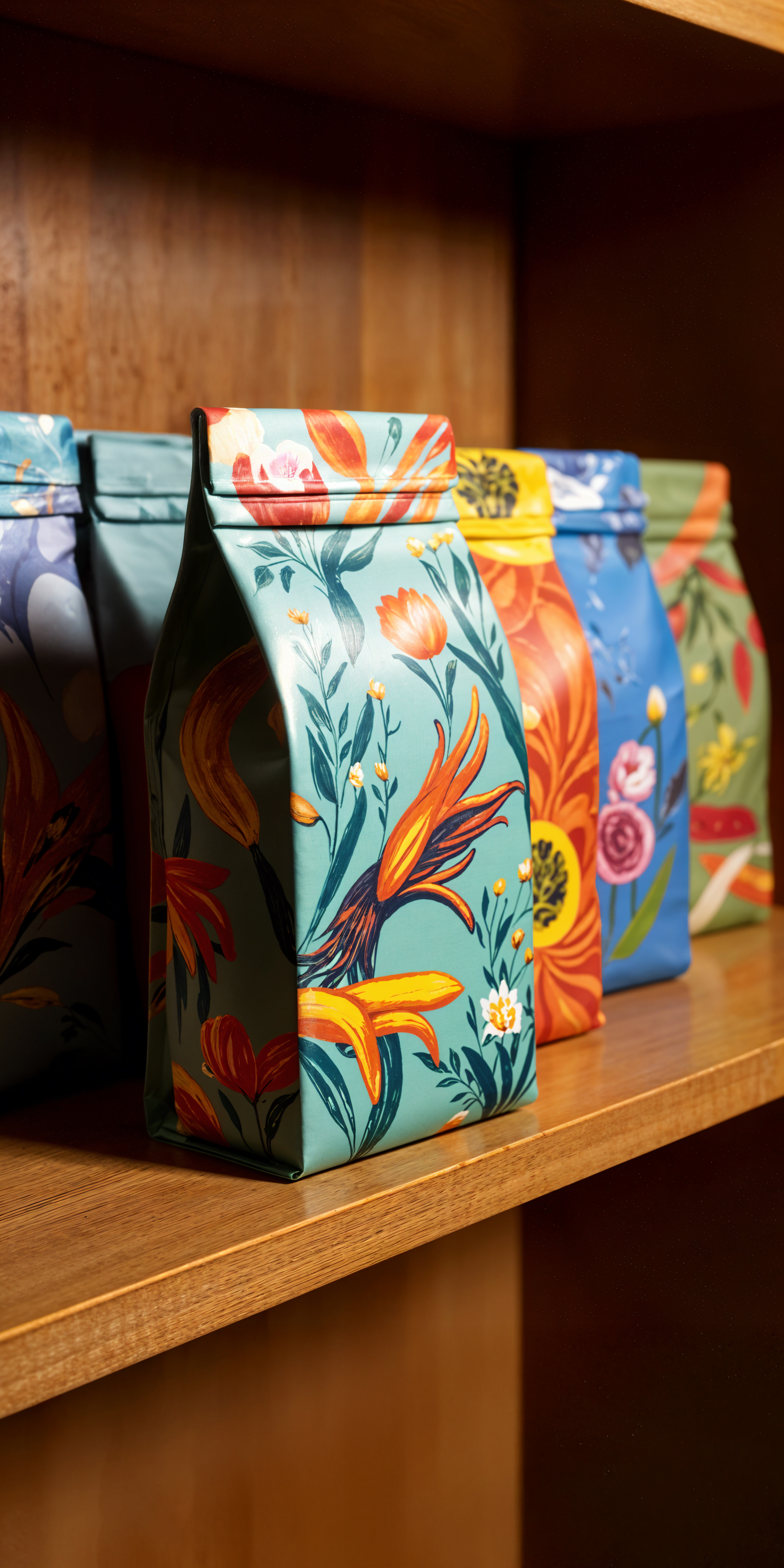
Carefully packed using hygienic and modern packaging to preserve freshness and quality.
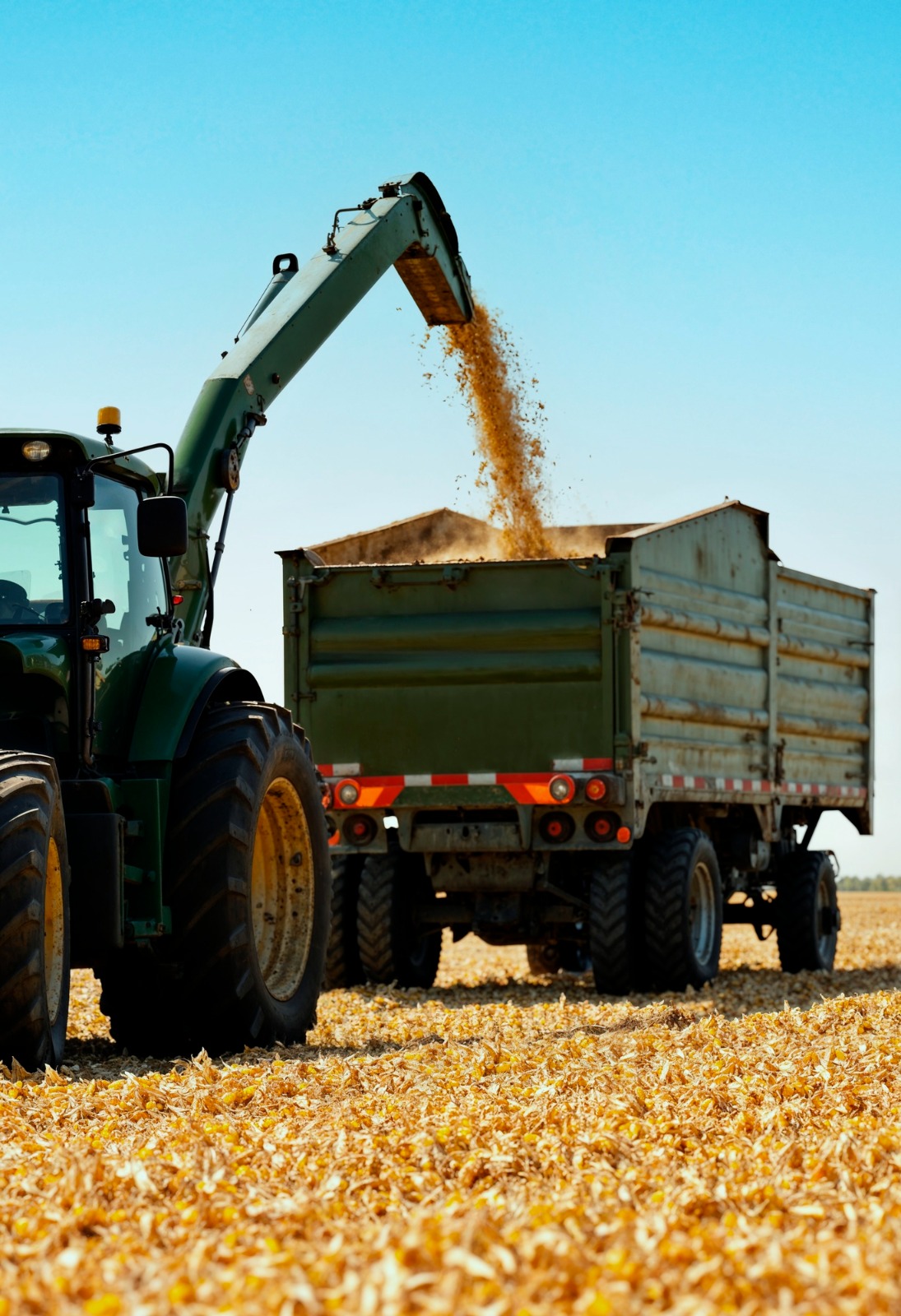
Hygienically packaged and swiftly transported to reach global markets and consumers.
Discover how this essential grain shapes cultures, economies, and diets across different continents.
Asia produces over 90% of the world's rice, with China and India leading at 208 million and 206 million tonnes respectively, together accounting for more than 50% of global output. The top 10 rice-producing countries are all located in Asia, from Bangladesh's 37 million tonnes to Japan's 8 million tonnes. Global production reached 541 million tonnes in 2024-25, up from just 215 million tonnes in 1961. Rice needs specific conditions to thrive: temperatures above 25°C, high humidity, and 3,000 liters of water per kilogram produced. The Asian monsoon belt provides these conditions naturally, which is why Europe, Africa, and most of the Americas cannot compete despite advanced agricultural technology.
Only 9-10% of rice enters international trade, but this relatively small share feeds hundreds of millions of people worldwide. India dominates global exports with 24.5 million tonnes (40% market share) worth $11.83 billion, making it so influential that when it temporarily restricted exports in 2023, global prices spiked immediately. Vietnam recently overtook Thailand to become the second-largest exporter at 9.18 million tonnes, while Thailand specializes in premium Jasmine rice, commanding prices of $950 per tonne, more than double the average. Pakistan owns the Basmati export market, and even small Uruguay has emerged as the world's 4th largest exporter. These five countries collectively control 75% of the global rice trade, making them critical to worldwide food security.
Africa is the world's largest rice-importing region at 21.1% of global trade, spending over $8 billion annually despite having suitable growing conditions. The Philippines imports 4 million tonnes yearly, more than any single country, followed by Indonesia at $2.7 billion worth of imports. Interestingly, major producers also import: China bought 5 million tonnes in 2024 for specialty varieties, and Vietnam both exports volume rice and imports premium rice simultaneously. The Middle East relies on imports for over 70% of consumption, while Europe focuses on premium varieties like premium basmati and jasmine rice.
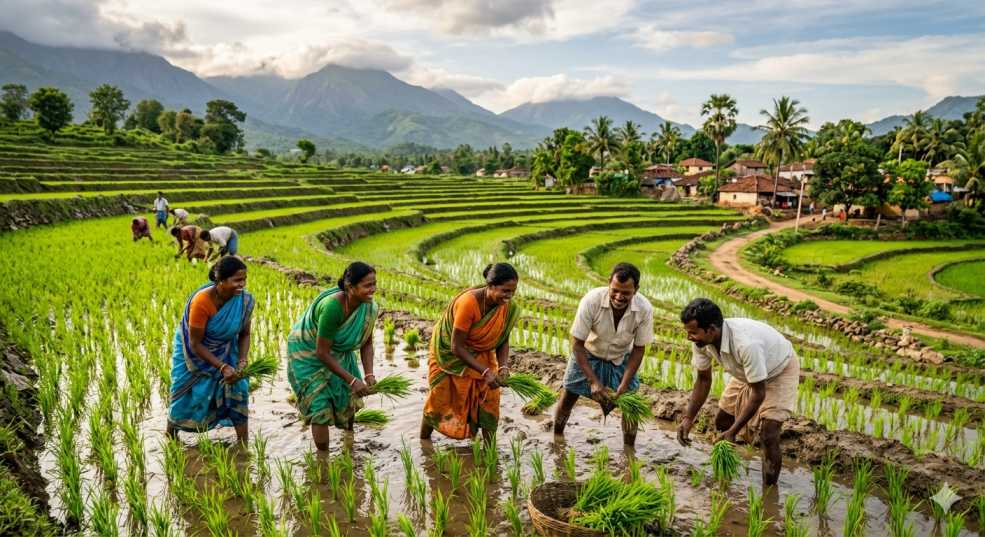
Rice Exporter
From feeding millions domestically to leading global exports, India stands at the center of the world’s rice economy.
India is the world's largest rice producer and exporter,
producing over 150.18 million tonnes annually, and contributing nearly 40% of global rice exports with shipments crossing 20 million metric tonnes. With diverse climates, fertile land, and generations of agricultural expertise, rice remains one of the strongest pillars of Indian agriculture and food supply. We're not just self-sufficient; we're the world's safety net.
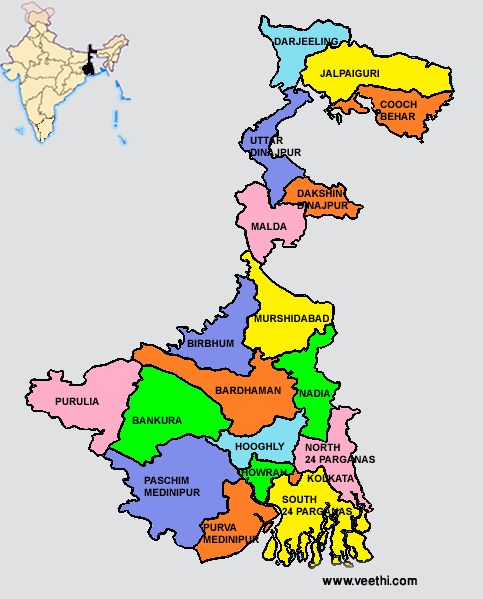
West Bengal
West Bengal stands out as one of India’s largest and most consistent rice producers, thanks to its fertile soil, abundant water, and multiple cropping seasons. The state produces popular varieties like Swarna, Miniket, Gobindobhog, and IR-36, catering to both daily consumption and premium segments. With strong local demand and steady supply, rice mills in this region play a crucial role in maintaining quality, reducing post-harvest losses, and ensuring that rice reaches markets in its best form.
Imagine a world where rice processing reverted to traditional methods. Recovery rates would plummet from 70% to 45%, meaning 25% more rice wasted. Quality control would vanish—stones, dirt, and broken grains mixed in every bag.
Modern mills don't just process rice; they ensure food security, reduce waste, maintain quality, and support millions of livelihoods across the supply chain.
Experience the difference
Automated Technology
High-Quality Output
Large-Scale, High-Speed
High Consistency
Manual Process
High Breakage
Small-Scale
Inconsistent
At Mohonanda Rice Mill in Birbhum , we we transform raw paddy from local farmers into clean, graded rice that families trust. The mill isn't just infrastructure; it's the bridge between West Bengal's fertile fields and plates across India.
“Million Tonnes
Global Annual Production
Billion People
Depend on Rice Daily
+ Varieties
Cultivated Worldwide